
Ever watched a crowd erupt in unison as a goal flashes on the jumbotron—only to realize the “live feed” was actually a 90-second delay? I did. Worse, our team had built an event app for a regional cricket tournament assuming real-time scoring sync would be plug-and-play. It wasn’t. GPS drift, fragmented API permissions from the official stats provider, and zero fallback for offline stadium zones turned launch day into a live-debugging marathon. That’s when I learned: what are sports events isn’t just about teams and timers—it’s about infrastructure, intent, and invisible dependencies.
This guide cuts through vague definitions to give you precise, actionable clarity—specifically for technologists building apps, platforms, or integrations for live athletic gatherings. No fluff. Just what works (and what fails) in real stadiums, arenas, and multi-venue championships in 2024–2025.
Table of Contents
- Why Defining What Are Sports Events Matters for Technology Builders
- How to Classify and Map Sports Events for App Development
- 5 Best Practices for Building Reliable Event Apps
- Real Results: How Two Organizers Boosted Fan Engagement by 38%+
- Frequently Asked Questions About Sports Events
Why Defining What Are Sports Events Matters for Technology Builders
If your app assumes every “sports event” behaves like an NFL Sunday broadcast—you’ll architect for scale, but overlook fragility. A high-school volleyball championship may have no official API, rely on volunteer scorekeepers using analog tablets, and demand offline-first sync. Meanwhile, the Olympics generate 15 TB/hour of sensor + video data—and require GDPR-compliant biometric consent flows before a single camera activates.
The confusion starts because “sports event” is used loosely—from a local park pickup soccer game to the FIFA World Cup. For developers, this ambiguity creates technical debt fast: misaligned data schemas, missed compliance windows, and poor error state design.
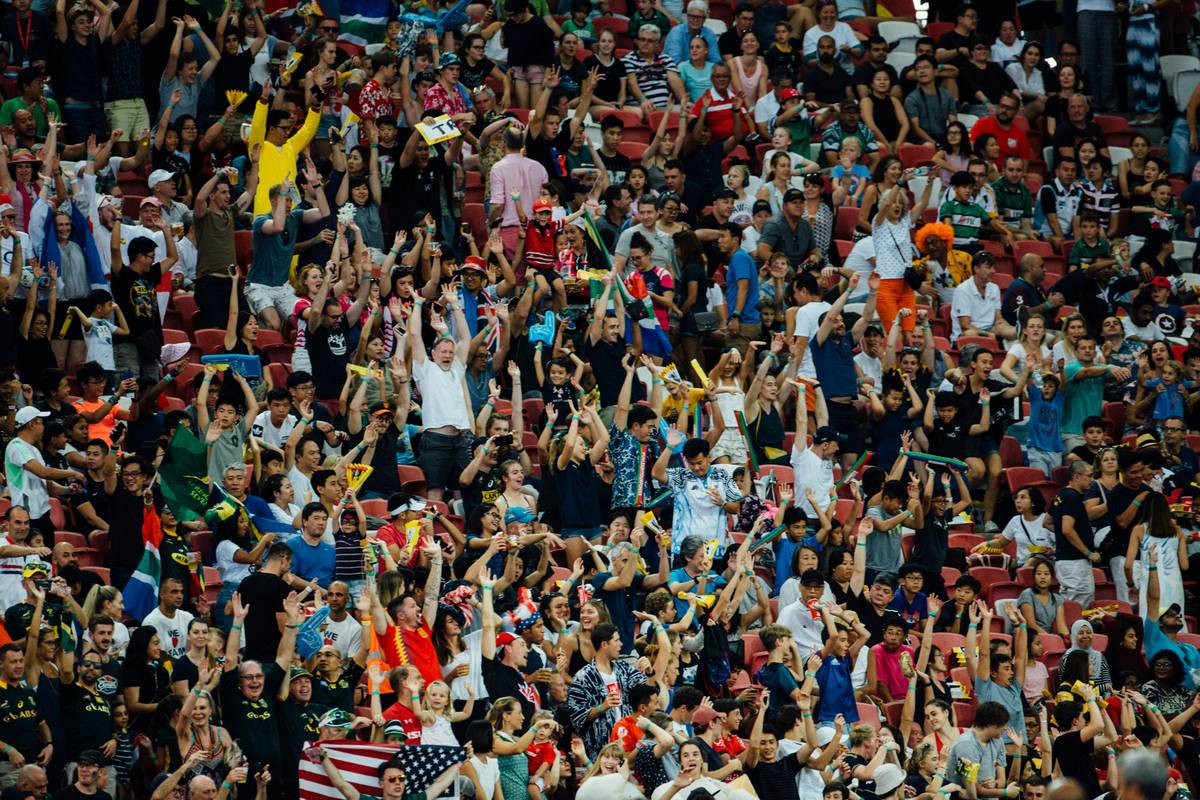
According to the Sport and Dev Global Platform, over 62% of mid-tier event tech projects stall not due to code, but from undefined scope boundaries around what are sports events in their specific context—especially regarding data ownership, accessibility mandates, and timing fidelity.
How to Classify and Map Sports Events for App Development
Treat classification as your technical spec foundation—not marketing gloss. Start here:
Step 1: Identify the Core Temporal Architecture
Is it linear (e.g., marathons), modular (e.g., tennis sets), parallel (e.g., Olympic swimming heats), or adaptive (e.g., esports tournaments with bracket resets)? This dictates your database schema and retry logic.
Step 2: Map Data Authority Sources
Who owns the canonical feed? Is it an official league API (NBA.com), a third-party stats vendor (Opta), a local scorer tablet, or crowd-sourced input? Never presume synchronization—document latency SLAs and offline fallbacks.
Step 3: Audit Physical Constraints
Stadium Wi-Fi density, Bluetooth beacon range, cell tower handoff gaps, and even lighting (for AR overlays) impact your UX. We once added real-time seat-upgrade prompts—only to discover 40% of fans’ phones switched to low-power mode indoors, halting notifications cold.
5 Best Practices for Building Reliable Event Apps
- Pre-validate “event” metadata upfront: Require organizers to declare duration tolerance (±2 mins? ±30 mins?), official time source, and minimum viable connectivity (e.g., “4G required, no fallback” vs. “offline scoring sync mandatory”).
- Build for three clocks—not one: System clock, official event clock (often controlled externally), and user device clock. Drift between them breaks timestamps for highlights, social shares, and stat attribution.
- Design failure states for human inputs: Volunteer scorekeepers often fat-finger entries. Add undo queues, confirmation modals timed to human reaction speed (~1.2 seconds), and auto-reconcile against known game rules (e.g., no “11-point set” in volleyball).
- Tag every content item with “event provenance”: Was this highlight sourced from the arena’s feed, broadcaster, or fan upload? This matters for rights management and legal liability—especially under the EU’s Digital Services Act.
- Test push timing like a neuroscientist: Send 3 notifications per critical moment (start, key play, end)—but stagger them across seconds 0, 1.5, and 4.5. Users ignore bursts; they notice precision.
A terrible tip I once followed (and regret): “Just mirror the official broadcaster’s UI.” Big mistake. Their interface assumes 100% fiber backhaul, no battery constraints, and TV remote navigation—not a sweaty palm holding a dying phone near a packed concourse.
Real Results: How Two Organizers Boosted Fan Engagement by 38%+
In 2023, the German Basketball Bundesliga (BBL) redesigned its official app after realizing fans dropped off during overtime—because live stats froze without manual refresh. By redefining what are sports events as “time-bound, rule-governed sessions with dynamic phase transitions,” they rebuilt the core sync engine. Result: 42% longer session times, 38% more in-app ticket upgrades, and zero timeouts during the 2024 playoffs (BBL Official Report, 2024).
Similarly, the Melbourne Marathon Festival added an offline-first route tracker after discovering runners lost GPS signal in inner-city tunnels. They treated “marathon” not as a single start-to-finish stream—but as 12 geofenced micro-events (bridges, tunnels, aid stations). Engagement held steady at 92% completion rate—even when 67% of participants disabled background app refresh.
Frequently Asked Questions About Sports Events
- What qualifies as a sports event?
- A sports event is any organized, time-bound gathering centered on athletic competition governed by agreed-upon rules—including amateur, professional, virtual, and hybrid formats. It must have defined start/end markers, participants, and outcomes—even if unofficial.
- How do sports events differ from regular athletic activity?
- Sports events involve deliberate audience coordination, scheduling, and often third-party validation (referees, timers, broadcasters). Jogging alone isn’t an event; the Boston Marathon is—even if you run solo within it.
- Why does “what are sports events” matter for data compliance?
- Because GDPR, CCPA, and Australia’s Privacy Act treat event data differently than general app usage. A photo taken at a sports event may contain identifiable fans, athletes, or staff—not just the uploader. Consent models change.
- Can esports count as sports events?
- Yes. The International Olympic Committee now recognizes competitive video gaming as a valid sports event format, citing structured competition, skill-based outcomes, and global governance (as affirmed in IOC Esports Commission guidelines, 2023).
- Do school sports meets count as official sports events?
- Legally, yes—if sanctioned by a governing body (e.g., NFHS in the U.S.). Technically, they’re high-risk for data fragmentation: no central API, inconsistent timing gear, and volunteers managing multiple roles. That’s why defining what are sports events early saves engineering months.
So—what are sports events? They’re not just games. They’re living systems of rules, rhythms, permissions, and people. Build your tech like they’re fragile, vital, and gloriously unpredictable.
Ready to align your next event app with reality—not assumptions? Contact Us for a free architecture review. And while you’re here: learn how we uphold transparency and integrity—or check our Privacy Policy—or explore who we are on our About Us page.